Bob Lazar appears anonymously as “Dennis” on KLAS-TV
In May 1989, an anonymized man using the pseudonym “Dennis” tells George Knapp/KLAS-TV about alleged work at S-4 near Area 51 and reverse engineering of non-human craft.
Videos
Background
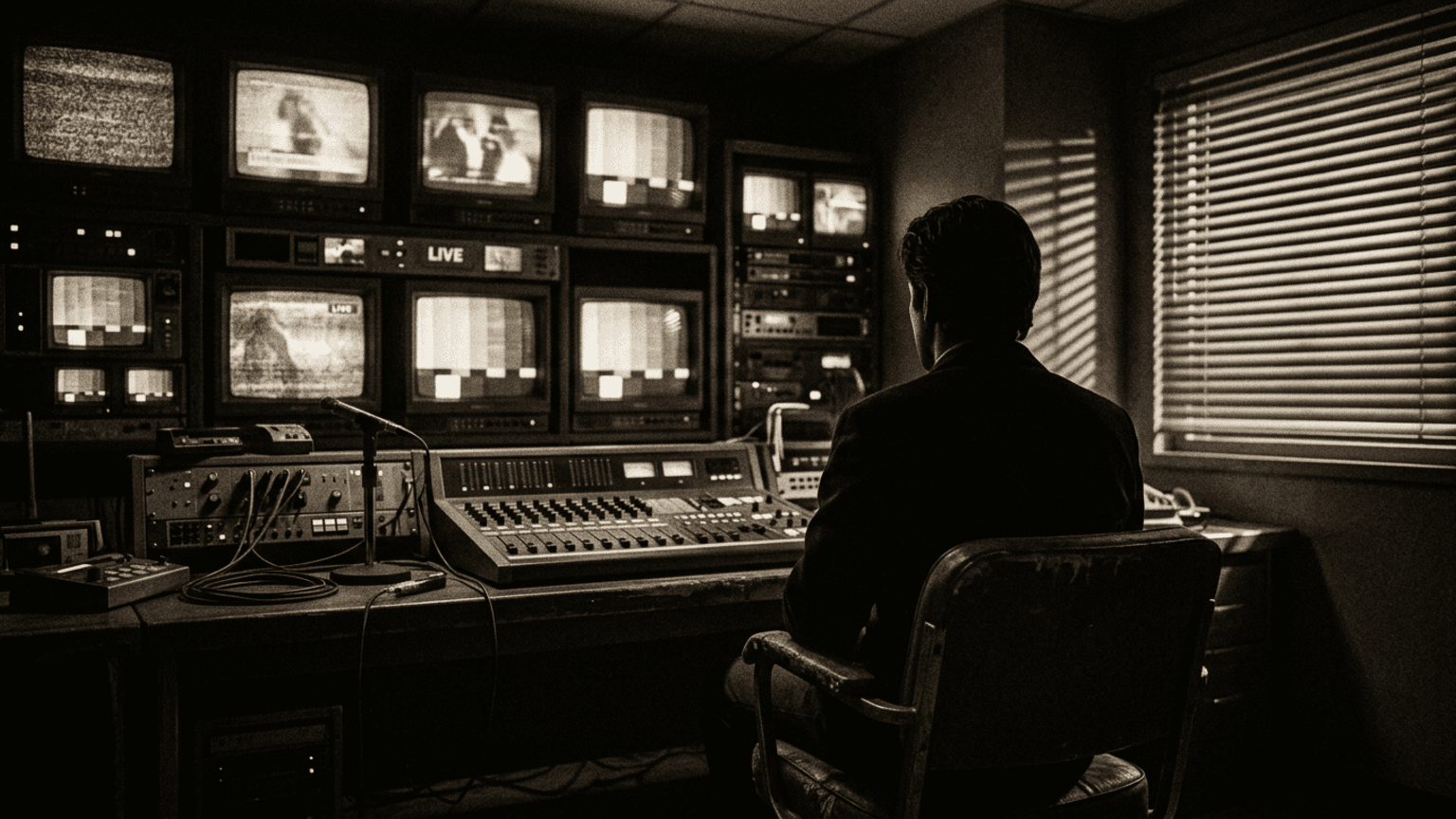
In May 1989, a man using the pseudonym “Dennis” appeared in a silhouetted interview on KLAS-TV in Las Vegas, hosted by journalist George Knapp. According to Wikipedia, he discussed his alleged work at “S-4”, a facility he claimed existed near Area 51 / Nellis Air Force Base. He said his job was to help reverse-engineer one of nine disc-shaped craft, which he alleged were extraterrestrial in origin.
Source-critical note: this May appearance made the claims public, but Lazar did not initially appear under his own name. His identity as Robert Scott Lazar was shown in a later interview in November 1989. The technical core claims — S-4, extraterrestrial technology, and a stable element-115 propulsion system — remain unproven and are disputed by skeptics. The May appearance remains historically important because it brought the Area 51 / S-4 narrative into local television and later global UFO culture.
Significance
The Lazar case transformed Area 51 from a classified military installation into a cultural symbol of alleged extraterrestrial secrets. His claims about Element 115 gained renewed attention when Moscovium was synthesized in 2003, though its properties did not match his descriptions. The case also established a template for UAP whistleblower narratives that would echo through subsequent disclosures, including those of Luis Elizondo and David Grusch decades later.